Market updates
Top Tech Tools for Rent Tracking and Payment Automation
Rental payments in Dubai have changed significantly over the years. The UAE Central Bank’s Direct Debit System has been integrated into Ejari through Emirates NBD. Monthly digital rent payments launched across select listings on major property portals in early 2026. Property management platforms…
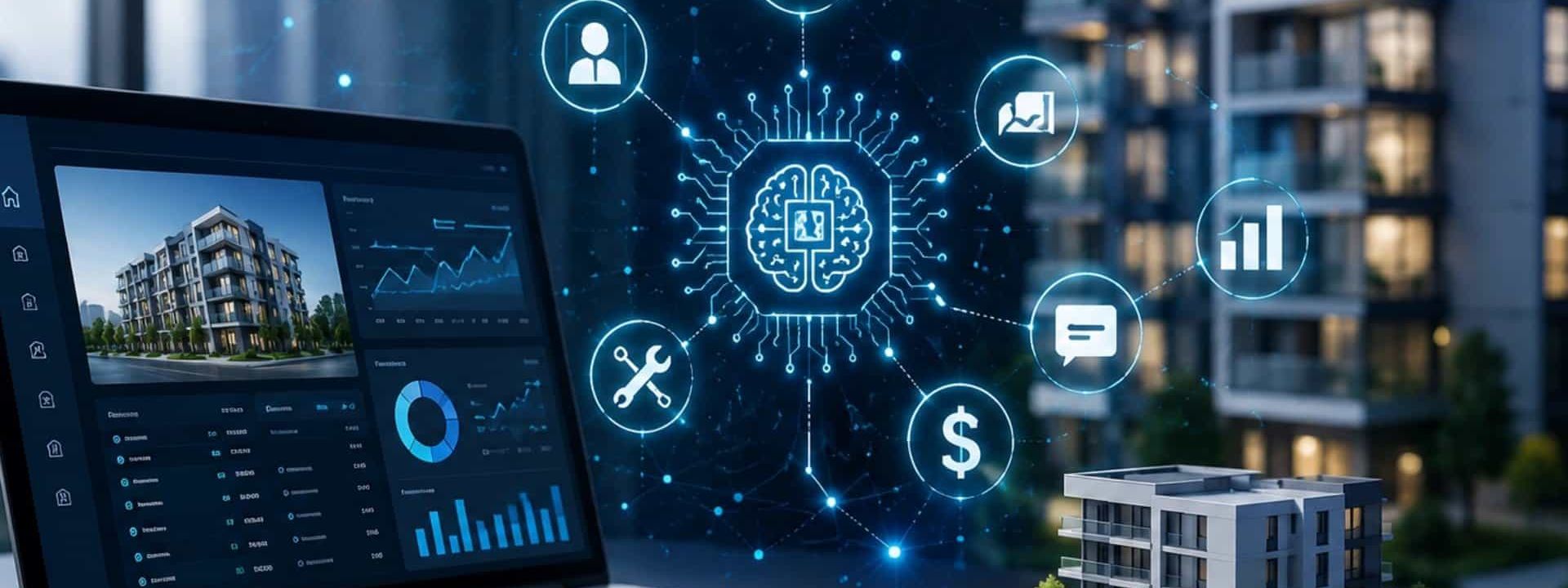
Rental payments in Dubai have changed significantly over the years. The UAE Central Bank’s Direct Debit System has been integrated into Ejari through Emirates NBD. Monthly digital rent payments launched across select listings on major property portals in early 2026. Property management platforms have moved from being nice-to-have software to essential operating infrastructure for any landlord with more than one unit.
The right tech stack can automate rent collection, track payments across an entire portfolio, integrate with Ejari, produce clean owner statements and eliminate the operational drag that used to consume weekends. We take a closer look at the best rental property management software and what they offer.
Key Takeaways
- The UAE Central Bank’s Direct Debit System (UAEDDS), integrated into Ejari through Emirates NBD, allows automated rent collection directly from a tenant’s bank account without cheques.
- Monthly rent payments launched across select Dubai listings in early 2026, with landlords able to opt in through participating property portals.
- Property management platforms in Dubai now support over AED 2 billion in rental demand, with 12-installment direct debit becoming standard on many portfolios.
- Tenant screening, lease automation, rent tracking, maintenance requests and owner dashboards are typical features of a modern Dubai property management platform.
- Ejari-compatible platforms are essential. Tools that do not integrate with Dubai Land Department systems create compliance gaps regardless of how good the software is.
Best Rental Property Management Software in Dubai
The Dubai rental tech landscape breaks down into six distinct categories. Most landlords need a combination of two or three, depending on portfolio size and complexity.
1. Bank-Led Direct Debit Systems (UAEDDS)
The UAE Central Bank’s Direct Debit System is the foundational rail for automated rent collection in Dubai. Under a partnership between Emirates NBD and the Dubai Land Department, tenants can now sign a one-time direct debit authorization allowing the bank to deduct rent from their account or credit card on scheduled dates.
Best for: Single-unit landlords or small portfolios who want the simplest, lowest-cost automation option.
Key features:
- Direct bank-to-bank rent transfers with no third-party platform fees.
- One-time tenant authorization covers the full lease period.
- Integrated with Ejari for full record-keeping.
- Non-mandatory, but supported by any bank that offers UAEDDS.
What it does not do: No portfolio dashboard, no owner statements, no maintenance tracking. It is a payment rail, not a management platform.
2. Property Portal Monthly Payment Platforms
Major property portals in the UAE rolled out monthly rent payment options across select listings in early 2026. Landlords opt in on a per-listing basis, and tenants pay by card or direct debit on a monthly cadence. The portal handles collection and payout to the landlord.
Best for: Landlords who list actively on property portals and want to attract the growing pool of tenants seeking monthly payment options.
Key features:
- Annual rent split into 12 monthly instalments.
- Card or direct debit payment options.
- Insurance-backed guaranteed income structures on some platforms.
- Automated tenant onboarding through the portal.
What it does not do: Does not extend beyond the specific portal’s listings. Landlords using multiple listing channels need a broader solution.
3. Dedicated Property Management Software (PMS)
For landlords with three or more units, a dedicated property management software platform becomes the operational core. These systems integrate rent tracking, tenant management, lease automation, maintenance workflows and accounting into a single dashboard.
Best for: Portfolio landlords, property managers and anyone managing more than two units.
Key features to look for:
- Ejari and RERA compliance built into the workflow.
- Automated rent collection through direct debit or card.
- Tenant portal with maintenance request submission.
- Lease automation, including digital signing and renewal reminders.
- Property accounting with per-property income and expense tracking.
- Owner dashboards with real-time visibility.
- Multi-property support with unlimited scalability.
What to check before choosing:
- Does it integrate with Ejari through the Dubai REST app?
- Does it support UAEDDS for direct debit?
- Does it produce owner statements in AED?
- Does it handle service charge tracking?
- Does it store data in a UAE-compliant format?
4. Cloud-Based Landlord Dashboards
Cloud-based dashboards designed specifically for individual landlords rather than professional property managers have become a middle-ground option. They provide rent tracking, expense management and tenant portals without the full complexity of enterprise PMS.
Best for: Landlords with 1 to 5 units who want visibility without the overhead of full property management software.
Key features:
- Rent tracking with automated reminders.
- Basic expense management.
- Tenant portal for payment submission and service requests.
- Mobile access with cloud sync.
- Integration with digital payment gateways.
Limitations: Some cloud dashboards, particularly non-UAE-focused ones, lack full Ejari integration. Landlords should verify UAE compliance before adopting.
5. Accounting and Cash Management Platforms
Beyond rent collection, portfolio landlords need proper accounting infrastructure. Platforms in this category focus on the financial side, including income and expense tracking per property, service charge management, owner distributions and audit trail generation.
Best for: Landlords with three or more units who need clean financial reporting for tax, compliance and investment decision-making.
Key features:
- Per-property profit and loss statements.
- Service charge and utility tracking.
- Automated owner distributions.
- Audit trail for every transaction.
- Integration with the landlord’s tax and financial planning workflow.
- Support for the 2026 Direct Payment mandates requiring segregated bank accounts for overseas owners.
6. Full-Service Property Management Portals
The most integrated option combines all of the above through a professional property management firm. Rather than managing multiple tools, the landlord works with a firm that provides a single, comprehensive portal for the entire portfolio. Rent collection, tenant management, maintenance, accounting and compliance all flow through one interface.
Best for: Landlords with five or more units, overseas landlords and anyone who wants the operational burden completely removed.
Provident’s Smart Portal is one example of this category, giving landlords real-time visibility into their entire portfolio while the property management team handles rent collection, tenant communication, maintenance dispatch and financial reporting. It combines the payment automation of a fintech platform with the operational depth of a full property management service.
What to Look for in a Dubai Software to Track Rent Payments
Not every tool that works in a global market works in Dubai. The core requirements for any tech tool used for Dubai property portfolios are:
| Requirement | Why It Matters |
|---|---|
| Ejari and RERA compliance | Without it, the tool cannot support legal rent collection or dispute enforcement |
| UAEDDS support | The bank-led direct debit system is the foundation of automated rent collection in Dubai |
| AED-native reporting | Financial reports must be produced in dirhams for legal and tax purposes |
| Multi-property support | Portfolios need consolidated views, not scattered dashboards |
| Segregated account compliance | Required under 2026 Direct Payment mandates for overseas owners |
| Owner statements | Monthly reports are essential for cash flow visibility |
| Mobile accessibility | Landlords and property managers need to act from anywhere |
| Audit trail | Every transaction must be documented for tax and dispute purposes |
Tools that meet all eight requirements are the ones that scale reliably across a Dubai portfolio. Tools that meet fewer than five typically create operational gaps that surface later as legal or financial issues.
Choosing the Right Tech Stack for Your Portfolio Size
The right combination of tools depends heavily on how many properties you manage.
Single Unit Landlord
- UAEDDS direct debit for rent collection.
- Basic cloud dashboard for expense tracking.
- Manual Ejari registration through Dubai REST app.
2 to 4 Unit Landlord
- UAEDDS direct debit or portal-based monthly payments.
- Mid-tier property management software with Ejari integration.
- Structured expense tracking per property.
- Semi-automated tenant communication.
5 to 10 Unit Landlord
- Full property management software or professional service.
- Automated rent collection through UAEDDS and monthly digital payments.
- Property-level accounting with owner statements.
- Dedicated tenant portal for maintenance and communication.
- Consideration of a dedicated account manager for portfolio oversight.
10+ Unit Landlord or Overseas Owner
- Full-service property management with integrated portal.
- Enterprise-grade PMS or professional firm-led platform.
- Segregated escrow accounts for 2026 Direct Payment compliance.
- Real-time dashboard with mobile access.
- Structured monthly and quarterly reporting.
How Property Management Firms Integrate Tech Tools
For landlords who prefer not to manage the technology stack themselves, professional property management firms in Dubai bundle these tools as part of their operating model. This is often the most cost-effective option once the portfolio crosses three units.
Provident’s property management services integrate the full tech stack, including payment collection and deposit handling, security deposit management and the Smart Portal dashboard, into a single service. Landlords get the visibility of a fintech dashboard combined with the operational depth of a full-service management firm, without having to onboard and manage multiple platforms themselves.
For overseas landlords in particular, this bundled approach removes the two biggest operational risks: managing UAE-compliant banking arrangements from abroad and coordinating multiple tools across time zones.
Common Mistakes to Avoid When Choosing a Tenant Management App
Landlords adopting tech tools for the first time consistently make the same mistakes. Here are the ones to avoid:
1. Choosing a Non-UAE Platform
Tools built for the US or European rental markets often lack Ejari integration, AED reporting and UAEDDS support. They may look feature-rich on the surface but create compliance gaps that surface at the worst possible moment.
2. Over-Engineering for a Small Portfolio
A single-unit landlord does not need enterprise property management software. Matching the tool to the portfolio size is one of the most common wasted-money scenarios in the Dubai landlord market.
3. Ignoring Landlord Approval Workflows
Some rent collection platforms require landlord approval at multiple stages. If the landlord is unresponsive on the platform, tenant onboarding and rent collection both stall. This is particularly common with overseas landlords using self-managed tools.
4. Not Testing the Reporting Output
Before committing to a platform, landlords should test the reports it produces. Monthly owner statements, expense reports and audit trails should all be in a format that supports tax filing, dispute defense and portfolio review.
5. Skipping the Ejari Integration Check
Any tool that does not integrate with Ejari or accommodate the Dubai REST app workflow is a partial solution. Ejari is the legal gateway to every downstream service, and no rent tracking tool can substitute for it.
FAQs
What is the UAE Direct Debit System (UAEDDS)?
A UAE Central Bank system that allows automated recurring debits from a tenant’s bank account to the landlord’s account. Emirates NBD has integrated it with the Dubai Land Department for cheque-free rent collection tied to Ejari.
Do I need special software to track rent in Dubai?
For a single unit, basic tools or a UAEDDS direct debit are usually enough. For three or more units, dedicated property management software or a professional firm becomes the more practical option.
Are monthly rent payments now available in Dubai?
Yes. Monthly rent payments launched across select listings on major property portals in early 2026. It is optional for landlords, who opt in on a per-listing basis.
What features should a Dubai property management platform have?
Ejari and RERA compliance, UAEDDS support, AED-native reporting, multi-property support, owner statements, tenant portal, mobile access and a full audit trail.
Can I use international property management software in Dubai?
Most international platforms lack Ejari integration and UAEDDS support, which limits their usefulness for Dubai landlords. UAE-native or UAE-integrated solutions are usually the stronger choice.
How much do property management software platforms cost in Dubai?
Pricing varies. Basic landlord dashboards can start free or at low monthly rates. Full property management software runs from AED 100 to AED 500 per unit per month depending on features. Full-service firms typically charge 5% to 8% of gross annual rent, which includes the technology.
What is the difference between a rent collection tool and a property management platform?
A rent collection tool handles payments only. A property management platform combines payments with tenant management, maintenance, accounting, reporting and compliance in a single system.
Do I still need Ejari if I use a rent payment platform?
Yes. Ejari registration is a legal requirement under Law No. 26 of 2007 and is independent of any payment tool. Rent payment platforms do not replace Ejari.
What is the safest way to receive rent as a Dubai landlord?
Direct debit through UAEDDS, monthly payments through licensed platforms, or full-service property management with segregated accounts. All three provide clear audit trails and comply with 2026 Direct Payment mandates.
Should overseas landlords manage rent collection themselves or use a property management firm?
For most overseas landlords, working with a property management firm is significantly more practical. The 2026 Direct Payment mandates require verified UAE bank accounts, and a professional firm handles this along with all downstream operations.